


How Wildlife Reveals a Destination
Wildlife encounters are never just about being in the right place at the right time. They’re shaped by landscape, season, local knowledge, and the conservation stories that define each region. Across the destinations we explore, the animals that thrive there offer a deeper understanding of how these ecosystems work — and what thoughtful travel can uncover.
Tanzania — The Great Migration & Predator Dynamic
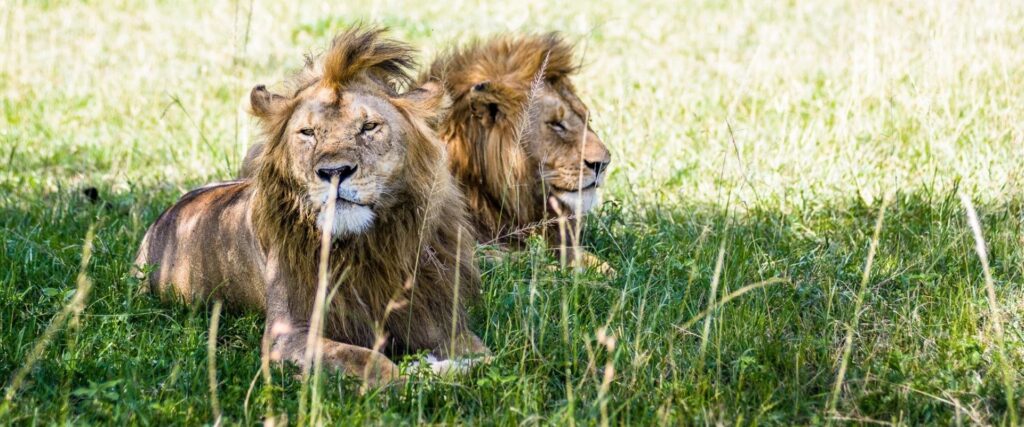
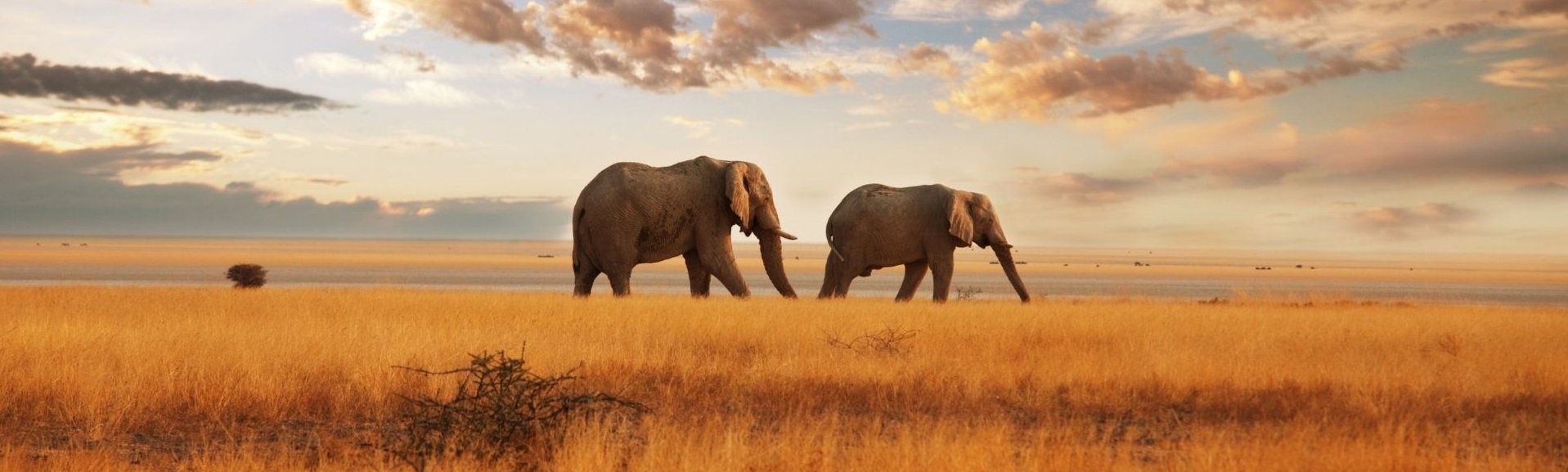
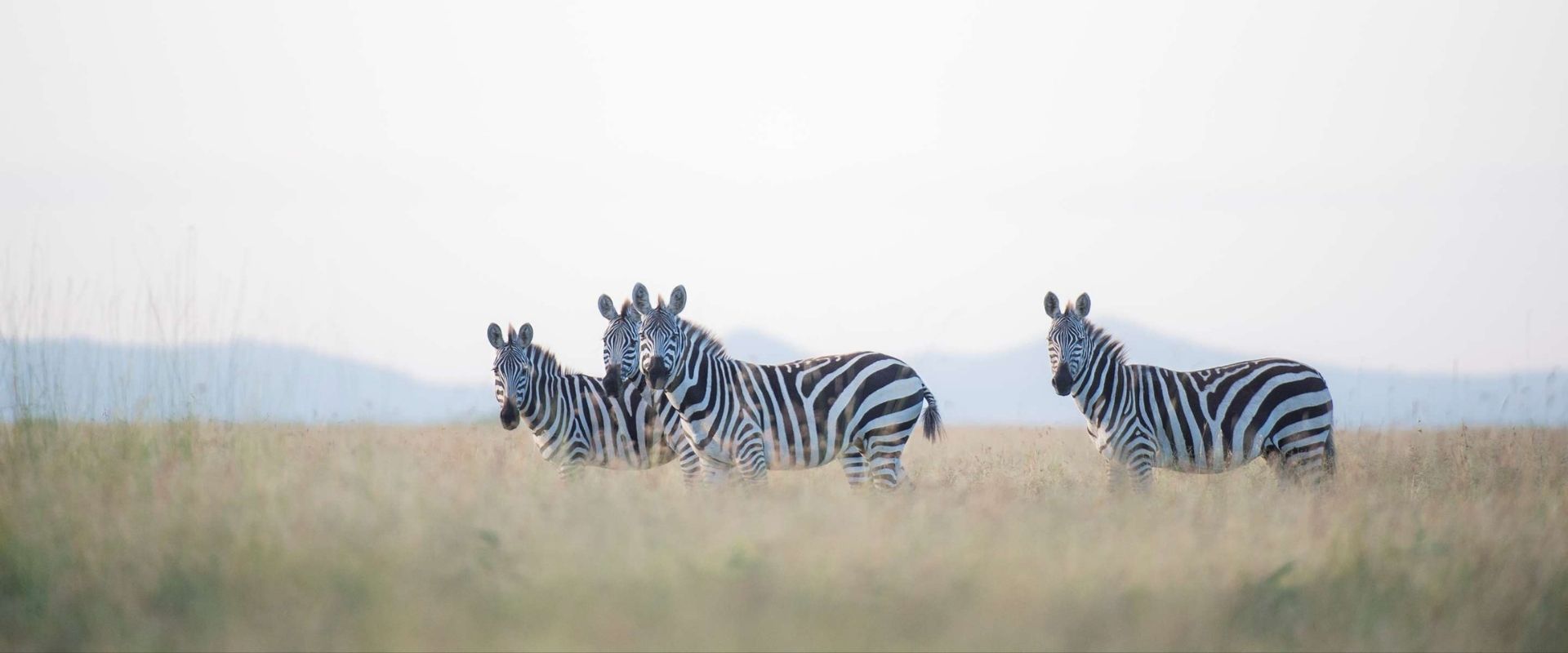
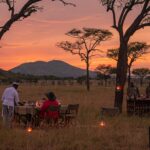
In the Serengeti, the movement of wildebeest and zebra sets the rhythm for everything—lion territories, cheetah hunts, and the quiet patience of leopards. Farther south, Ruaha’s baobab plains shelter rare wild dogs and immense elephant herds. Remote camps—often reserved exclusively for our group—and open vehicles designed for unobstructed viewing place you close to the action while preserving a sense of calm and comfort.
India & Nepal — Tigers & One‑Horned Rhinos
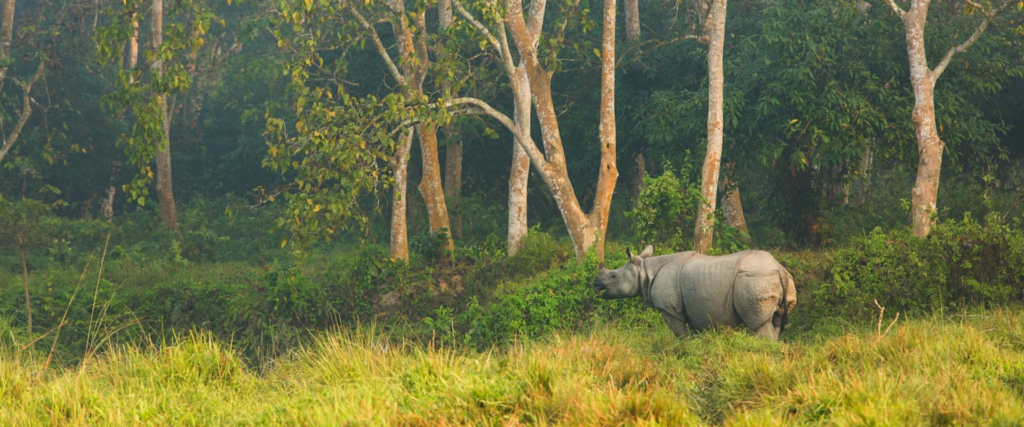
In the forests and grasslands of the subcontinent, tiger territories and rhino habitats unfold along waterlines and ancient migration routes. Seeing these animals is only part of the experience; understanding why they thrive here is what brings the landscape into focus. Travellers gain insight from experts whose work is rooted directly in these environments — people who have dedicated their lives to protecting these forests. Staying in lodges connected to this conservation heritage places you in the heart of the ecosystem, creating space for deeper context and meaningful encounters.
Zambia — Leopards of the Luangwa
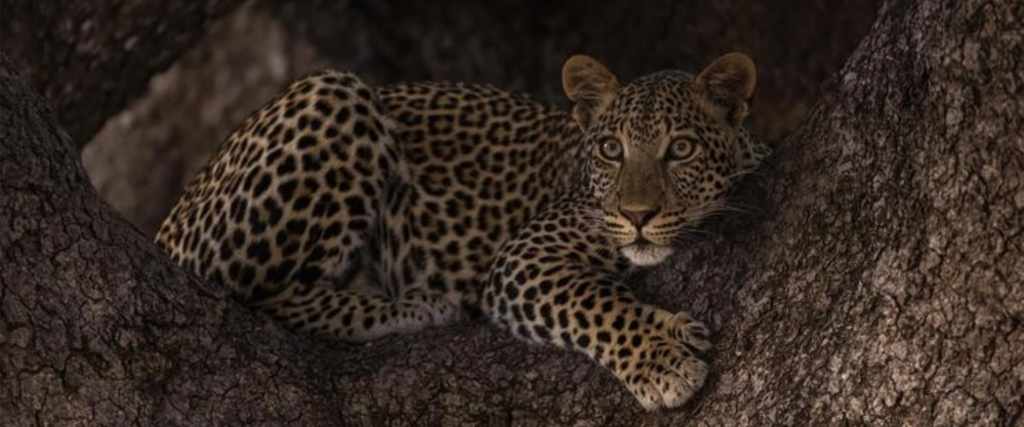
In the Luangwa Valley, oxbow lakes and woodlands create ideal conditions for leopards, who navigate the terrain with quiet precision. Their presence reflects a landscape that remains remarkably intact. Thoughtfully selected camps set in remote, wildlife‑rich areas allow guests to experience this ecosystem with clarity — close enough to feel its rhythm, yet with a level of comfort that supports unhurried observation.
Brazil — Jaguars & the Pulse of the Pantanal
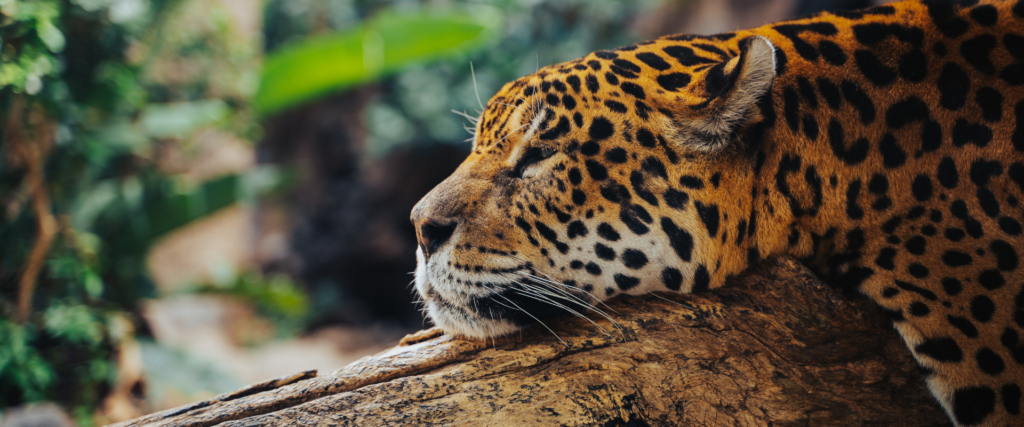
In the Pantanal, rising and falling water levels determine everything from hunting patterns to nesting sites. Jaguars patrol riverbanks, giant otters weave through calm channels, and macaws gather in vibrant clusters — all responding to the wetland’s natural cycles. Staying in intimate lodges along key waterways offers rare access to these movements, supported by guides who understand the subtle cues that shape wildlife behavior.
South Pacific — Manta Rays & Coral Worlds
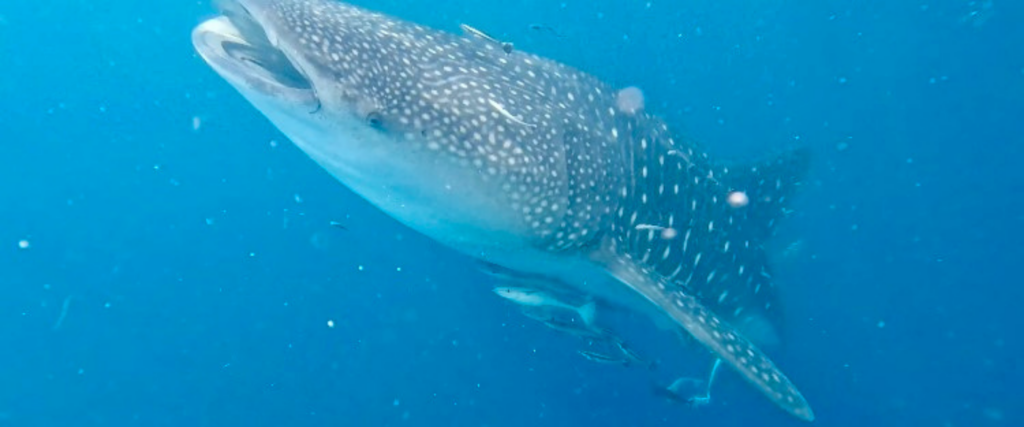
Across the South Pacific, lagoons reveal entire ecosystems shaped by currents and coral health. Manta rays, sharks, and schools of reef fish follow predictable routes through these sheltered waters. Exploring these islands by small ship brings you to quieter reefs and remote coves, combining true immersion with the ease and comfort needed to appreciate the marine life that defines the region.
Peru & Bolivia — Condors of the Andes
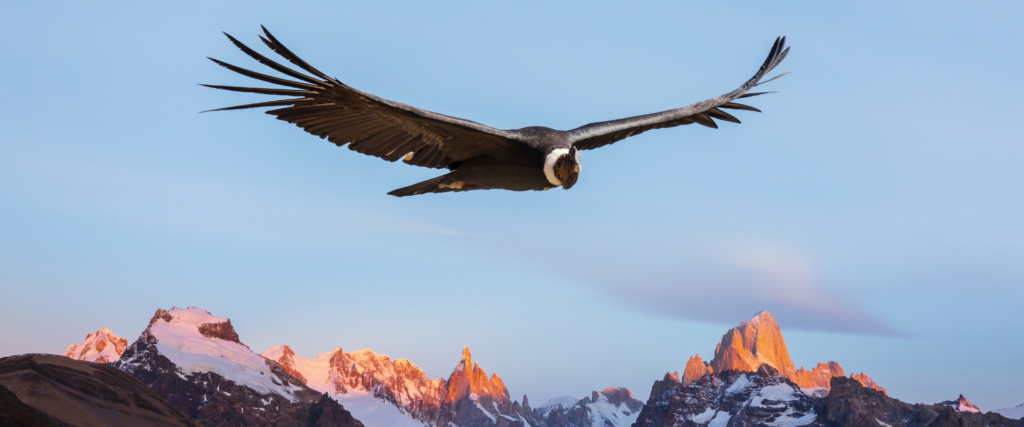
In the Andes, condors rise on thermals that form along cliffs and canyon walls. Their wide arcs mirror the scale, silence, and age of the mountains themselves. Handpicked mountain lodges create a calm base from which to explore these high‑altitude ecosystems, offering both proximity and perspective.
Galápagos & the Ecuadorian Amazon — Evolution & Abundance

In the Galápagos, sea lions, marine iguanas, and blue‑footed boobies offer a living lesson in adaptation. In the Amazon, dawn lagoons, clay licks, and canopy trails reveal a layered abundance. An intimate yacht with expert naturalists sets the pace in the islands; in the rainforest, community‑owned lodges and indigenous guides unlock stories only locals can tell—adventure without sacrificing comfort.
Across continents, wildlife reflects the landscapes that sustain it.
When journeys are shaped by expert insight, trusted local relationships, and accommodations chosen for both setting and experience, these encounters take on greater depth — revealing not just what lives in a place, but how the place itself endures.
Several of the regions highlighted here also form the backdrop of our upcoming hosted journeys, offering opportunities to experience these ecosystems with the guidance and connections that shape them.
Sorry, the comment form is closed at this time.